 E01
E011952
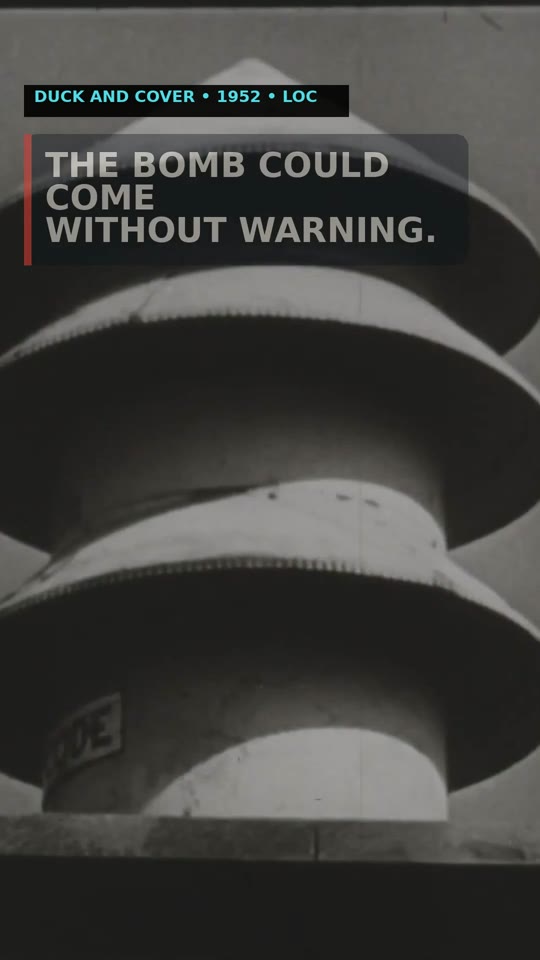
Duck and Cover
A useful reflex, wrapped in reassurance the film could never deliver.
Source: Library of Congress ↗A short-form film history series
We salvage public-domain films from the archive—and ask what their images were built to make audiences believe.
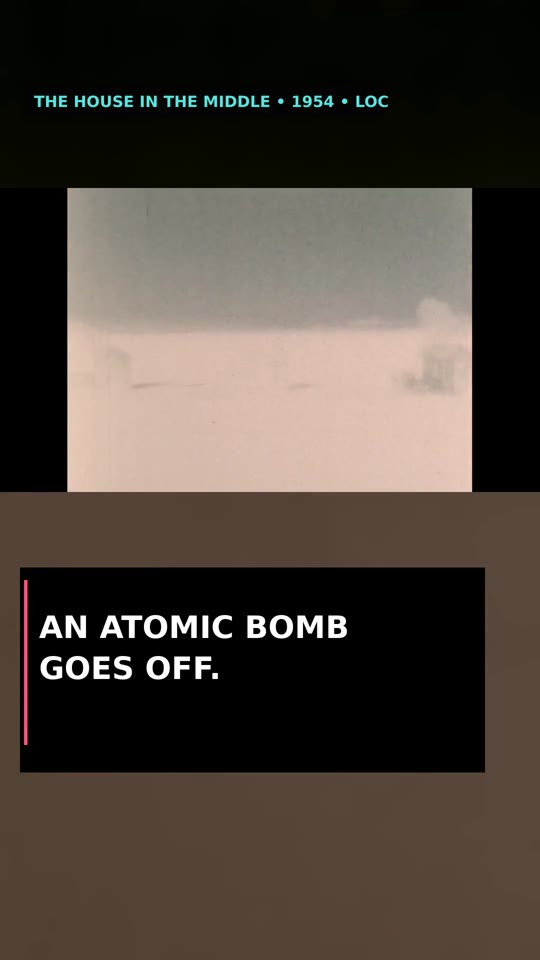
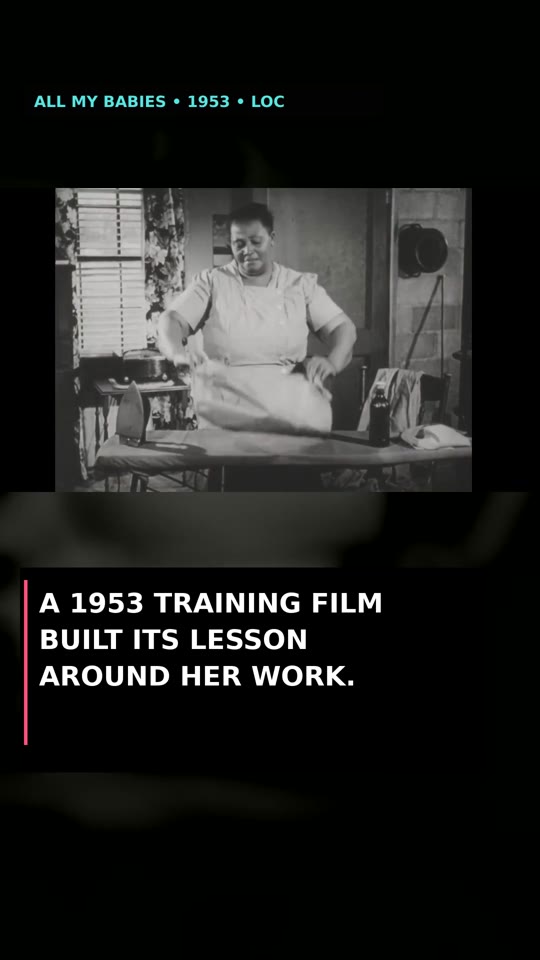
films
15 arguments
one minute at a time
The archive is not neutral. Neither is the edit.
Each episode starts with the surviving film, follows the evidence, and separates what the camera shows from what the filmmaker wants it to prove.
Start with the strange, beautiful, or unsettling thing the film preserved.
Find the sponsor, the missing context, and the choices shaping what we see.
Land one clear idea—and let the ending fold back into the beginning.
Season one · launch collection
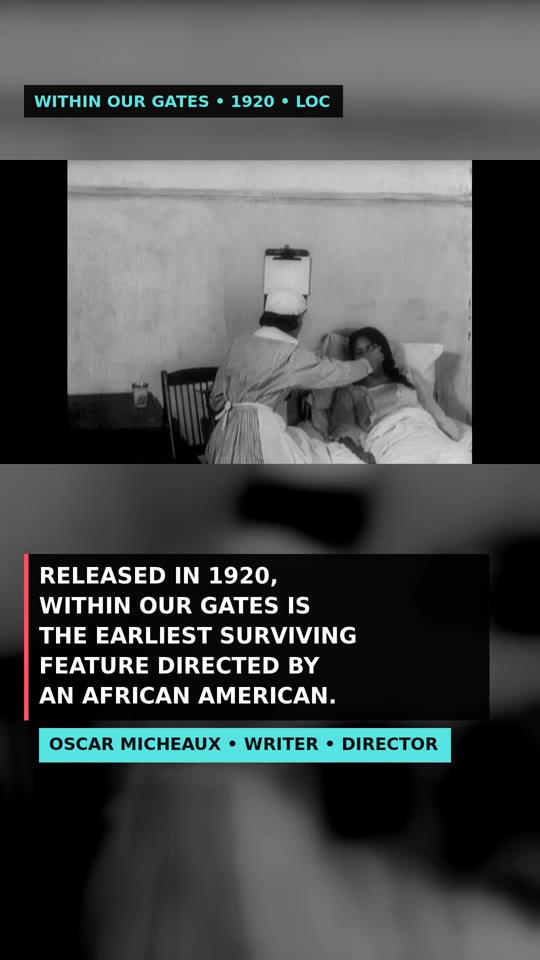
Civil defense. Corporate persuasion. Black film history. Animation. Labor. Medicine. The first collection moves across a century of images without treating any of them as innocent.
The channel is the invitation
The short is the argument in miniature. Screen Salvage dossiers preserve the full analysis, primary sources, rights notes, and questions worth taking into a classroom or conversation.
Free dossier · Episode 02
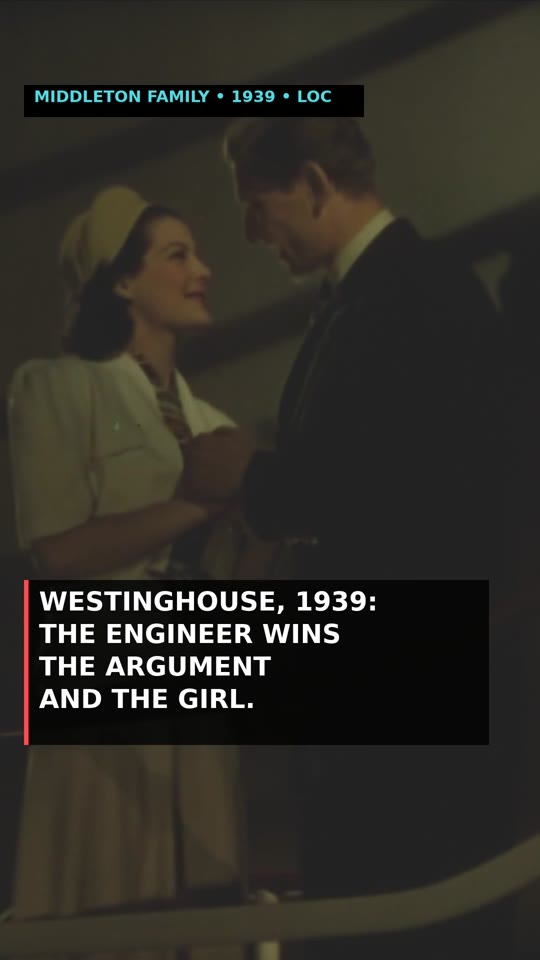
How Westinghouse turned automation anxiety into a love story at the 1939 World's Fair—and made the skeptic impossible to trust.
Read the dossierThe Screen Salvage Dispatch
Join the founding list for new dossiers, source trails, and the occasional artifact that will never fit inside a social post.
Free field guide
Get the 11-page Screen Salvage method: notice, name, verify, compare, and reach a verdict without mistaking nostalgia for truth.
Get the field guideFor educators, libraries, and museums
The first paid pilot kit is ready: a complete 45-minute facilitation route for Duck and Cover, with evidence cards, a verdict worksheet, source trail, and adaptable 20-, 45-, and 90-minute routes.
See screening kitsAlso in the first fifteen
Receipts stay attached
Every post identifies the film, year, archive, and replacement music where applicable. Our launch collection draws principally from films documented for U.S. public-domain reuse by the Library of Congress and other public archives.
Historical analysis is ours. Archival ownership, rights notes, and music provenance are credited episode by episode.
Have a film we should salvage?
Source questions: rights@screensalvage.com